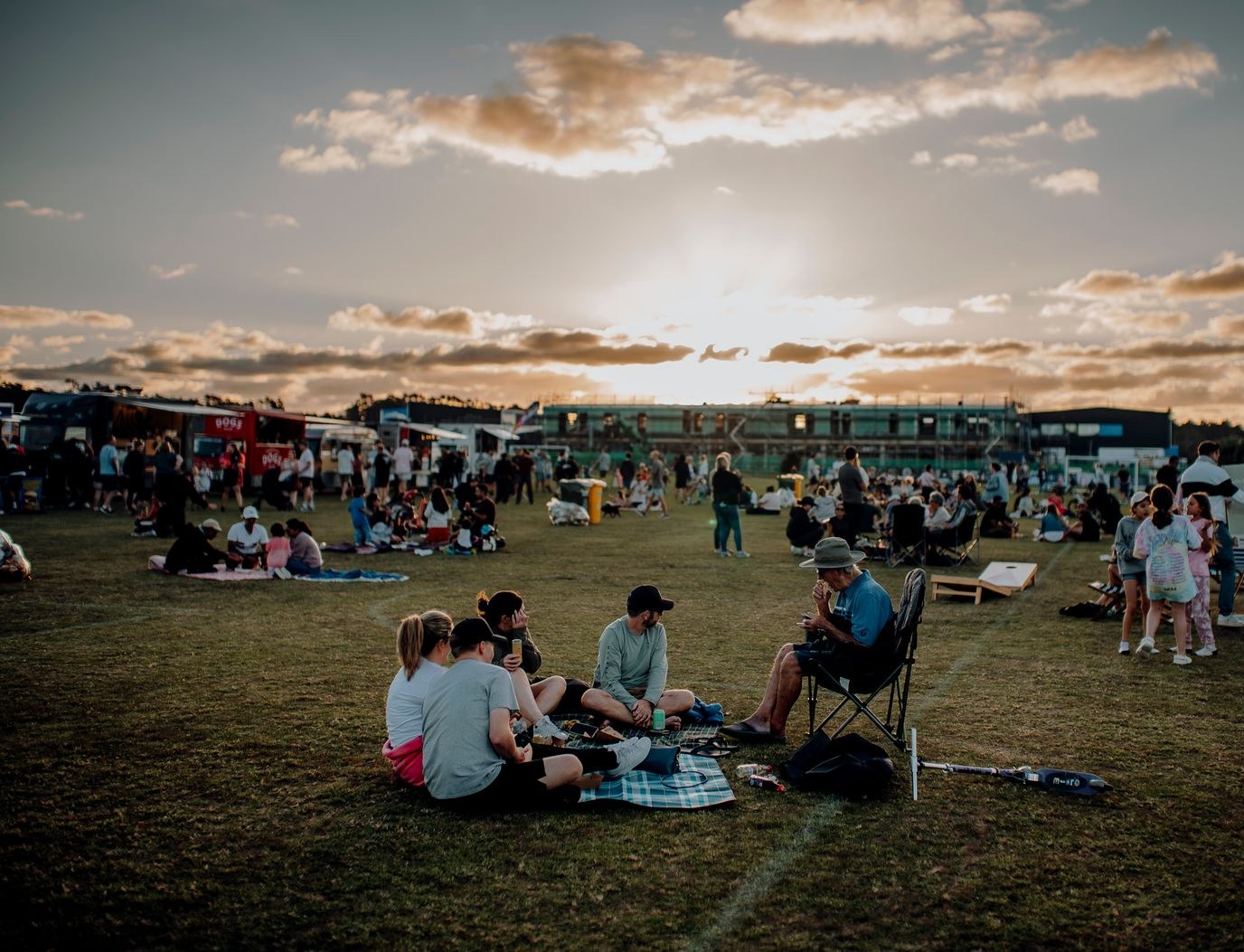
Early September, and the UK festival season is doing what it does every year around now — winding down. Nantwich Food Festival has just wrapped, Ludlow Food Festival and FeastyFest Cheam are running this weekend, and after Farnham's Food and Drink Festival at the end of the month, the diary for a lot of traders goes quiet until spring.
If you've had a full season on the road, this is the point where the admin either gets done properly or gets forgotten until March. Here's a straightforward checklist for the changeover, plus a few things worth thinking about before you park up.
Before you park the van
- Deep clean while you remember where everything lives. Grease traps, gas lines, fridge seals — much easier in September than in a rushed morning next April.
- Get your gas and electrical safety checks booked now. Certificates lapse whether you're trading or not, and engineers get busier as spring bookings start landing.
- Photograph and log any damage or wear from the season — the hatch hinge that's gone soft, the generator that's started sounding rough. Winter is when you fix it, not when you discover it mid-service in April.
- Settle up with any casual staff and note who you'd want to call back next year, while the season's still fresh in your head.
On the numbers
- Reconcile the season properly. Which events actually cleared four times their pitch fee, and which ones you'd walk away from next time? That's next year's booking calendar half-written already.
- Work out your real cost of waste. Prep guesses made under pressure at 11am on a Saturday are where most food cost disappears — it's worth knowing the number before you plan next season's stock levels.
- Check what your software is costing you while you're not trading. A surprising number of POS and ordering platforms bill monthly whether the van moves or not. If yours does, winter is an expensive way to find that out.
Winter doesn't have to mean zero income
Trading season in the UK runs roughly April to September, but that doesn't mean the business has to switch off completely. Corporate catering has been one of the more consistent growth areas for mobile traders this year — offices moving away from static buffet catering towards a food truck parked outside for the afternoon, which runs happily through autumn and winter and doesn't depend on festival weather. If you haven't pitched to a local business park or office manager before, the off-season is a reasonable time to start those conversations, since your diary has the space for it.
Christmas markets, winter fairs and the odd corporate do can fill some of the gap too — fewer of them than a festival weekend, but useful ones if the pitch fee and footfall stack up (the same four-times-the-fee maths applies in December as it does in July).
What Eventifood costs you over winter
Whichever way you spend the off-season — fully parked up, or picking up the odd corporate booking — it's worth knowing this: an Eventifood store costs nothing while you're not trading. No monthly fee, no subscription ticking over in the background. Your menu, your QR codes, your customer order history and your analytics from this season are all still there, exactly as you left them, whenever you're ready to switch back on. You only pay the 2% platform fee on orders you actually take.
If you did pick up a winter corporate booking, your store's already built — update the menu, print a fresh QR code if you need one, and you're trading again in minutes, not rebuilding from scratch.
See you in spring
Thanks to everyone who traded with Eventifood this season — it's been a genuinely good one to watch from the other end of the dashboard. If there's something you wished the software did differently this year, get in touch; next season's features get built from exactly that kind of feedback.
And if you're setting up for the first time before next spring: your store is free to set up, live in under ten minutes, and you'll pay nothing until your first order comes through.