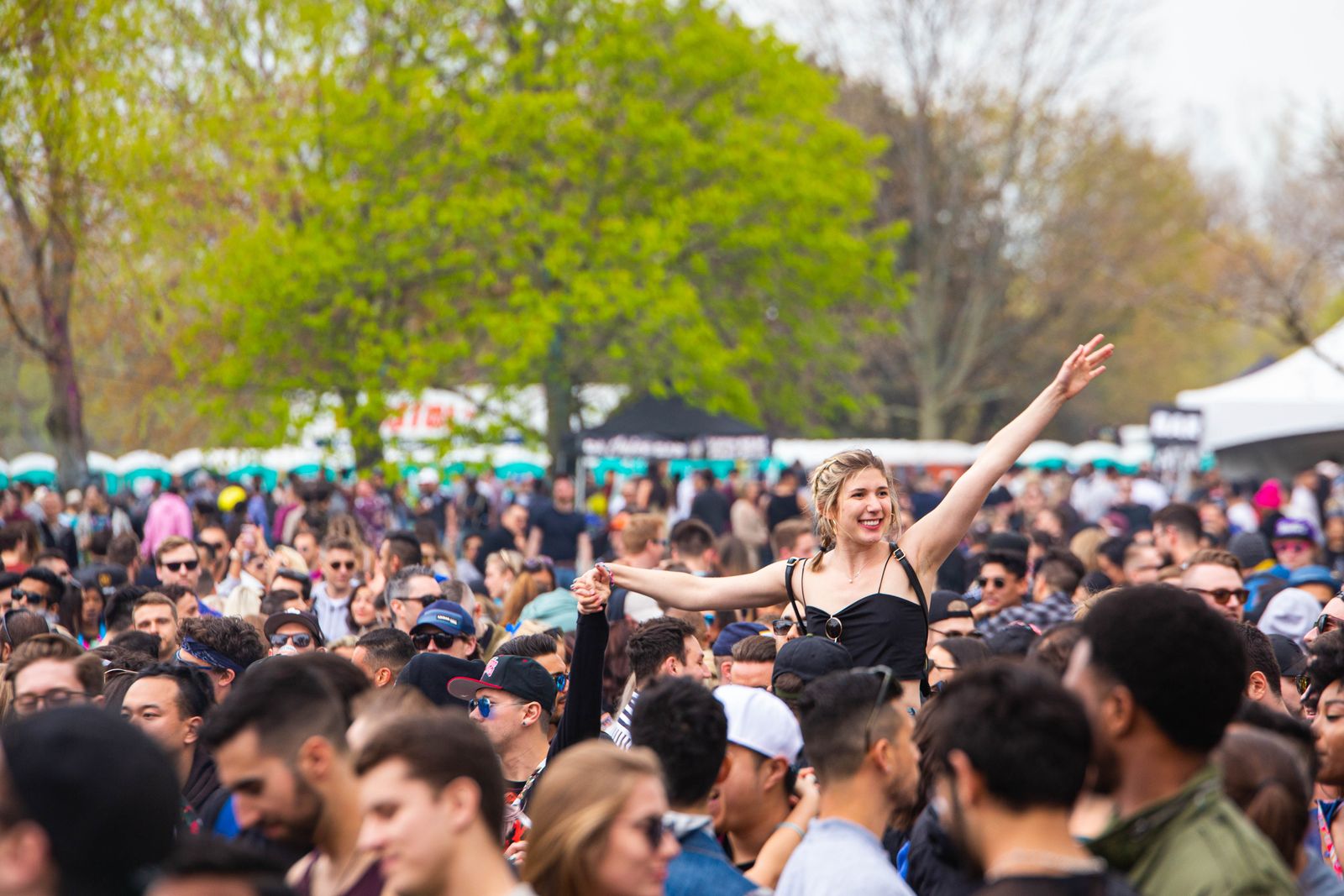
The queue you can see at the hatch is not the one costing you money. It is the one that never formed.
Someone walks up, sees six people ahead of them, does the arithmetic, and goes to find something else. There is no line on the till roll for walked off. No number in the day's takings, no note in the notebook, nothing at all — which is exactly why it is the cost almost nobody works on.
How big is it?
Honestly: nobody knows, including us, because by definition it is the transaction that did not happen. Anyone quoting you a precise percentage is guessing.
What you can do is watch for it yourself for one service. Stand back from the hatch for twenty minutes at your busiest point and count the people who approach, look, and turn away. Most traders who do this once are surprised, and it is a lot more persuasive than any figure we could put in an article.
Why the visible queue is the wrong thing to optimise
The instinct when a queue builds is to go faster — more hands, tighter prep, a simpler menu. All of that is worth doing. But it works on the people who already decided to wait.
The person who walked off did not leave because service was slow. They left because the queue looked long. Those are different problems. You can halve your service time and, if the line still looks like six people at a glance, lose exactly the same walk-aways.
The queue is a signal before it is a bottleneck, and the signal reaches people from further away than you think.
What actually shrinks it
The structural fix is to stop requiring people to stand in the line in order to be in the line.
If someone can order and pay from their phone from wherever they are standing — at the back of the crowd, sat on the grass, halfway across the field — then the kitchen has the order before they have decided whether to wait. They are not weighing up six people; they are getting a message when their food is ready. The physical queue at the hatch becomes a collection point rather than an ordering process, which is a much shorter line for the same number of covers.
That is the whole argument for QR ordering, and it is a queue argument rather than a technology one: shorter real queue, and fewer people who never joined it at all.
The things that help without changing anything
Not every fix is a system. A few that cost nothing:
- Separate ordering from collection physically. Two points that look like two short lines beat one point that looks like one long one.
- Make the menu readable from the back of the queue. People decide while they wait, not when they arrive. A queue where everyone is ready to order moves at a different speed.
- Acknowledge people who are looking. A nod and "about four minutes" converts a meaningful number of the people who were about to leave. They mostly do not know how long it will be; they are guessing, and they guess high.
- Take payment away from the hatch. Whatever the method, the money step is the one that stalls the line.
The question worth asking
Next time you trade, ask yourself what the longest you have ever watched someone weigh up your queue before walking off actually was. Most traders can picture it immediately — which tells you it happens often enough to remember.
It is the only part of the day that never shows up in the numbers, and it is usually the cheapest thing left to fix.